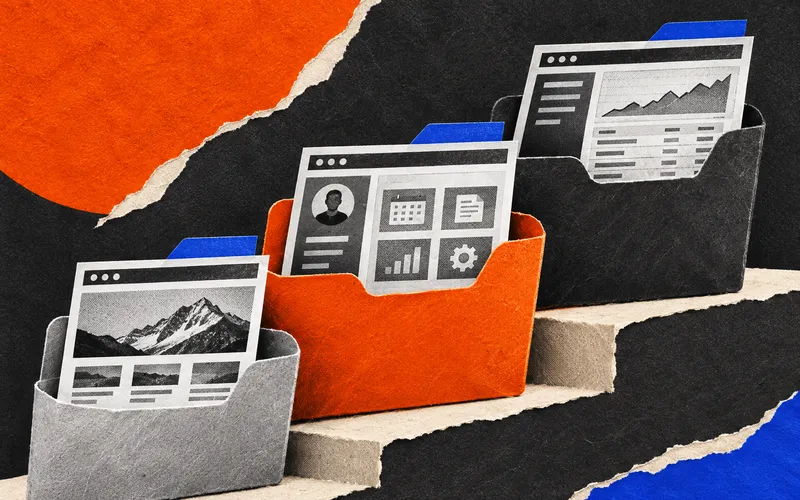
A template or a custom website?
A template can be the right answer. The question is how much of your business will fit it without awkward workarounds.
Suppose you need a small site with opening hours, a menu and a booking link. The content is ready, the budget is limited and the booking happens elsewhere. A well-chosen template may be entirely sufficient. Custom development needs a reason beyond wanting to say the site is custom.
Now imagine a distributor whose customers see different prices, order by the box and need approval before credit purchases. A template might handle the public pages beautifully while doing little for the part that actually runs the business.
Start with the difficult part
Write down the requirement that is least like everyone else's. It could be a product configurator, an unusual content structure, multilingual editorial work or a connection to an old stock system. Check how a proposed platform handles that requirement before evaluating its homepage designs.
Ask for a demonstration of the workflow. A screenshot of a dashboard does not tell you whether a staff member can correct an order or recover a failed import.
A template still needs design work
Someone must decide what goes on each page, prepare the content, choose the images and check the mobile layout. A theme demo often looks good because it has carefully chosen sample material. Your real product names and photographs will be different lengths and sizes.
Budget for that adaptation. Otherwise, you may end up paying for a template and then discovering that the missing work was the part you needed help with most.
Custom does not mean rebuilding everything
A custom site can still use established libraries, a managed content system and an external payment provider. The useful distinction is whether the result fits the agreed requirements and can be maintained, not whether every line was written from scratch.
Custom work also brings responsibilities. Ask how content is edited, what documentation is included, and whether another developer could take over. A tailored solution that only one person understands can be difficult to operate.
Compare the next year, not only launch day
List the changes you expect: a new language, more product categories, customer accounts or another sales channel. Ask how each option would handle them and what recurring charges apply. Do not pay for imagined future features, but do check that likely changes are possible.
For a straightforward information site, choose the simplest solution that does the job well. For a specialised workflow, spend the effort on that workflow. Our project portfolio shows the range of products a website brief can become.